

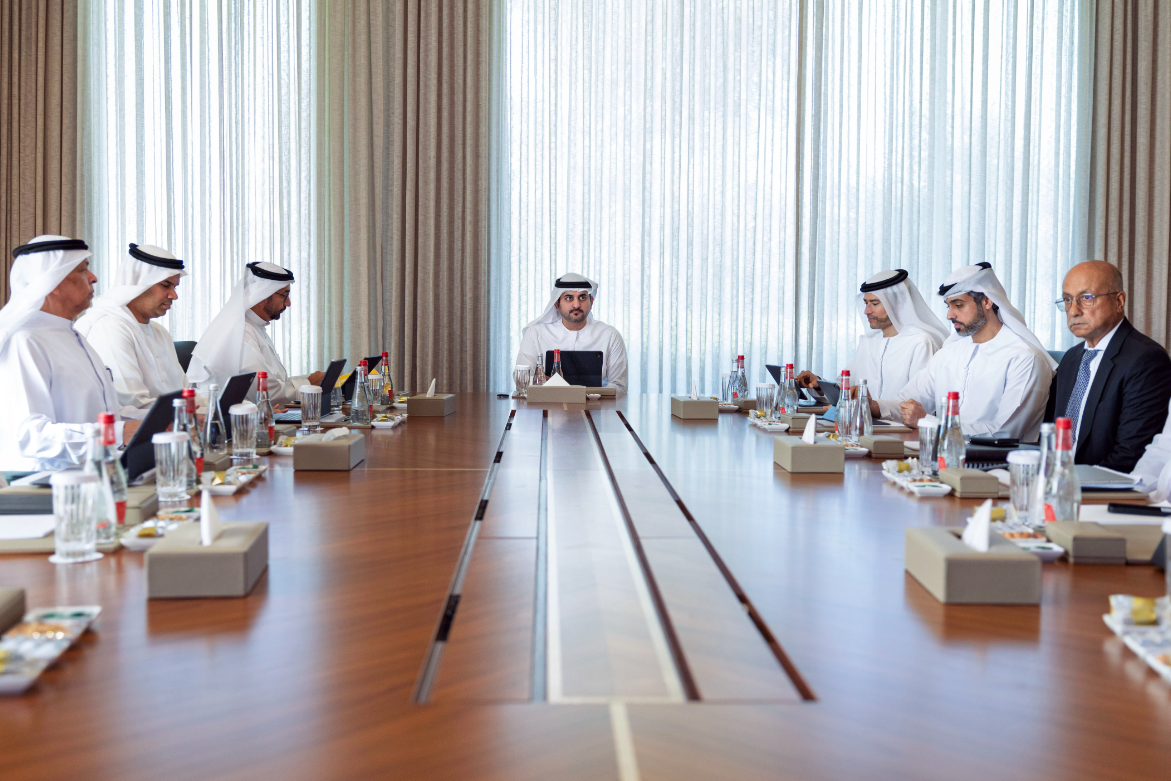
Maktoum bin Mohammed Reviews New Growth Strategy for Dubai Real Estate Corp
Dubai’s real estate sector continues to evolve as a cornerstone of the emirate’s economic vision. In a key development, Sheikh Maktoum bin Mohammed bin Rashid Al Maktoum reviewed the new growth strategy for Dubai Real Estate Corporation (DREC), reinforcing the leadership’s focus on sustainable urban development, asset optimisation, and long-term economic value.
The review reflects Dubai’s commitment to strengthening government-owned assets while aligning real estate planning with future-ready goals that support population growth, investment confidence, and quality of life.
What Is Dubai Real Estate Corporation?
Dubai Real Estate Corporation is a government entity responsible for managing, developing, and optimising a portfolio of public-sector real estate assets across the emirate. Its mandate extends beyond ownership to include:
-
Strategic planning of government real estate assets
-
Enhancing the value and efficiency of property portfolios
-
Supporting Dubai’s urban development goals
-
Ensuring sustainable and financially sound asset management
By overseeing residential, commercial, and mixed-use assets, DREC plays a vital role in shaping how public real estate supports Dubai’s broader development agenda.
Key Objectives of the New Growth Strategy
The Dubai Real Estate Corp growth strategy reviewed by Sheikh Maktoum focuses on modernising operations while ensuring long-term resilience.
Core objectives include:
-
Maximising the value of government-owned real estate assets
-
Improving operational efficiency and governance
-
Integrating sustainability and smart technologies
-
Supporting Dubai’s economic diversification plans
-
Aligning development with future population and infrastructure needs
This strategy positions DREC not just as a property manager, but as a proactive contributor to Dubai’s economic and urban future.
Focus on Sustainability and Smart Development
Sustainability remains a central pillar of Dubai’s real estate vision, and the new strategy reflects this priority.
Key sustainability-driven measures include:
-
Energy-efficient building upgrades
-
Environmentally responsible development practices
-
Optimised land use and urban density planning
-
Adoption of smart property management systems
These initiatives align with Dubai’s wider sustainability goals and ensure that public real estate assets meet modern environmental standards.
For more insights into Dubai’s sustainability initiatives, visit https://www.dubaifuture.ae
Asset Optimisation and Portfolio Enhancement
One of the major themes of the reviewed strategy is asset optimisation. Rather than expanding for growth alone, the focus is on extracting greater value from existing properties.
This includes:
-
Reviewing underutilised assets for redevelopment or repurposing
-
Enhancing returns through better leasing and management models
-
Strategic partnerships with the private sector
-
Data-driven decision-making for asset performance
Such measures ensure that public assets contribute more effectively to Dubai’s economy while remaining financially sustainable.
Supporting Dubai’s Long-Term Urban Vision
Dubai’s leadership has consistently emphasised integrated urban planning that supports liveability, mobility, and economic opportunity.
The DREC growth strategy supports this by:
-
Aligning developments with Dubai’s master planning frameworks
-
Supporting mixed-use communities
-
Ensuring access to essential services and infrastructure
-
Enhancing residential and commercial environments
This approach helps ensure that government-owned properties complement private-sector developments and contribute to cohesive urban growth.
Leadership Perspective on Real Estate Governance
During the review, Sheikh Maktoum bin Mohammed underscored the importance of strong governance and strategic oversight in managing public assets.
Key leadership priorities highlighted include:
-
Transparency and accountability in asset management
-
Long-term financial sustainability
-
Alignment with Dubai’s economic priorities
-
Continuous improvement through innovation
Such oversight ensures that real estate strategies remain responsive to market dynamics and public needs.
More information on Dubai’s governance and economic strategy can be found at https://u.ae
Impact on Dubai’s Real Estate Sector
While DREC operates within the public sector, its strategy has broader implications for the overall market.
Potential impacts include:
-
Increased confidence in Dubai’s long-term real estate planning
-
Better integration between public and private developments
-
Improved urban infrastructure and service delivery
-
Stronger alignment between real estate growth and economic goals
A well-managed public real estate portfolio helps stabilise and support the wider property ecosystem.
What This Means for Investors and Residents
Although the strategy is focused on government assets, residents and investors stand to benefit indirectly.
Positive outcomes may include:
-
Better-planned communities and public facilities
-
Improved quality and efficiency of government-owned properties
-
Long-term stability in urban development
-
Enhanced attractiveness of Dubai as a global investment destination
This reinforces Dubai’s reputation for strategic planning and investor-friendly policies.
Conclusion
The review of the Dubai Real Estate Corp growth strategy by Sheikh Maktoum bin Mohammed signals a forward-looking approach to managing and enhancing public real estate assets. By focusing on sustainability, asset optimisation, and strategic governance, DREC is positioned to play a stronger role in Dubai’s economic and urban development journey.
As Dubai continues to plan for the future, initiatives like this demonstrate how thoughtful leadership and strategic real estate management can support long-term prosperity and global competitiveness.
