

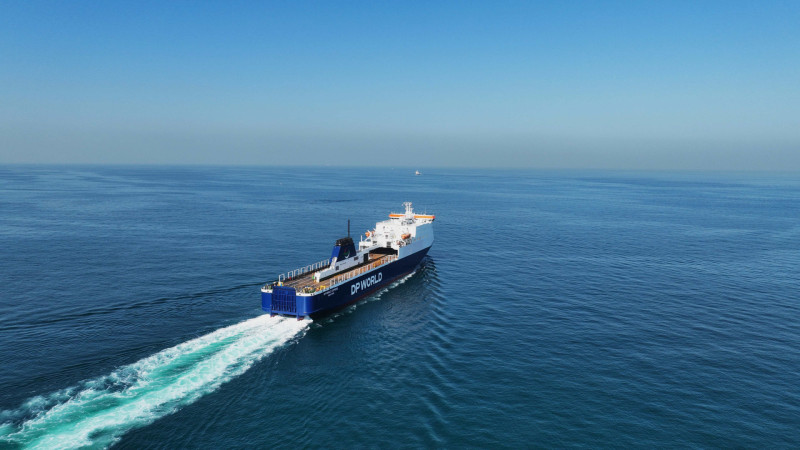
DP World Launches 36-Hour Dubai-Iraq Sea Link to Cut Costs and Transit Times
DP World has announced the launch of a new 36-hour Dubai-Iraq sea link, a strategic maritime corridor designed to streamline trade between the United Arab Emirates and Iraq. This development marks a significant leap forward in regional logistics, offering a faster, more cost-effective alternative to traditional overland freight routes.
According to Khaleej Times, the initiative will substantially reduce transit times and operational costs for companies trading between the Gulf and Iraq, boosting economic ties and enhancing supply chain efficiency.
What Is the Dubai-Iraq Sea Link?
The Dubai-Iraq sea link is a new maritime service connecting key ports in the UAE with Iraq. By leveraging DP World’s extensive global network, this sea corridor aims to facilitate smoother cargo movement through:
-
A direct shipping route between UAE and Iraq ports
-
Scheduled sailings designed to complete transit within 36 hours
-
Integration with port logistics infrastructure in both countries
This link is poised to enhance bilateral trade and provide a viable alternative to longer, land-based freight solutions.
For more information on DP World’s global operations and logistics services, visit the official DP World website: https://www.dpworld.com
Why the Sea Link Matters for Regional Trade
The launch of the Dubai-Iraq sea link is significant for several reasons:
-
It dramatically shortens transit time compared with overland routes
-
Reduces freight and logistics costs for exporters and importers
-
Offers improved reliability and predictability for supply chains
-
Strengthens the UAE and Iraq’s economic partnership
Traditional overland freight transport between the UAE and Iraq often takes longer due to multiple border crossings, customs clearance challenges, and differing regulations. The sea link simplifies many of these hurdles.
Economic Impact for UAE and Iraq
This maritime corridor is expected to yield wide-ranging economic benefits.
For the UAE:
-
Enhanced attractiveness as a regional logistics hub
-
Increased port activity and cargo throughput
-
Job creation in logistics and related sectors
For Iraq:
-
Easier access to global markets
-
Potential reduction in import costs
-
Support for local manufacturers and retailers
Maritime trade remains one of the most efficient ways to move large volumes of goods internationally, and this link strengthens Iraq’s integration into global supply chains.
You can explore broader trade initiatives and logistics developments in the UAE on https://u.ae
How Transit Times and Costs Improve
The new sea route’s efficiency stems from strategic planning and infrastructure.
Key advantages include:
-
A direct, uninterrupted sea route between Dubai and Iraq ports
-
Reduced handling and transfer overheads
-
Coordination between ports to expedite clearances
-
Lower dependence on intermediaries and multiple handling points
By cutting down transit times to approximately 36 hours, businesses can better manage inventory, reduce storage costs, and improve delivery performance.
Who Will Benefit Most From the Sea Link
The Dubai-Iraq maritime corridor is expected to benefit various stakeholders:
-
Exporters and importers seeking faster delivery
-
Logistics and freight forwarders optimizing routes
-
Manufacturers and retailers reducing supply chain costs
-
Small and medium enterprises (SMEs) accessing new markets
In addition, international companies with operations in the Middle East may leverage this link to improve their regional distribution strategies.
Technological and Operational Enhancements
DP World’s initiative also underscores how technology supports modern logistics.
The sea link incorporates:
-
Improved tracking and visibility of cargo movements
-
Digital documentation to speed up customs procedures
-
Port coordination systems that reduce dwell times
-
Predictive scheduling for efficient resource use
These enhancements reflect broader trends in the logistics sector, where data and digital tools improve reliability and transparency.
For insights into maritime logistics technologies, see global industry trends at https://www.imo.org
Aligning With UAE’s Economic Vision
The launch of the Dubai-Iraq sea link aligns with the UAE’s strategic goals of economic diversification and regional integration. Supporting initiatives such as:
-
Expansion of maritime and logistics sectors
-
Enhanced connectivity across the Middle East
-
Positioning the UAE as a gateway between Asia, Africa, and Europe
This initiative is consistent with broader national strategies that promote trade facilitation and global partnerships.
You can read more about the UAE’s economic priorities on GoldLineReport.com in our UAE Business & Economy section (internal link).
Challenges and Future Opportunities
While the sea link promises many benefits, some challenges remain:
-
Coordination across international regulatory environments
-
Ensuring port infrastructure keeps pace with demand
-
Adapting to fluctuating global shipping costs
However, the launch paves the way for future enhancements, including increased frequency of service, integration with rail and land logistics, and expanded cargo types.
What This Means for Businesses Planning Ahead
Companies planning regional logistics strategies should consider:
-
Reviewing supply chain routes to evaluate cost savings
-
Exploring partnerships with maritime freight providers
-
Monitoring policy changes and trade facilitation agreements
-
Investing in logistics visibility tools for better planning
With the Dubai-Iraq sea link, businesses can position themselves to take advantage of a more efficient trade corridor.
Conclusion
The introduction of the 36-hour Dubai-Iraq sea link by DP World marks a significant milestone in Middle Eastern logistics and trade connectivity. By reducing transit times and delivering cost advantages, this maritime initiative strengthens economic ties between the UAE and Iraq while boosting the region’s appeal as a global logistics hub.
As businesses and governments adapt to changing trade dynamics, initiatives like this underline the value of strategic infrastructure and collaborative planning.
