

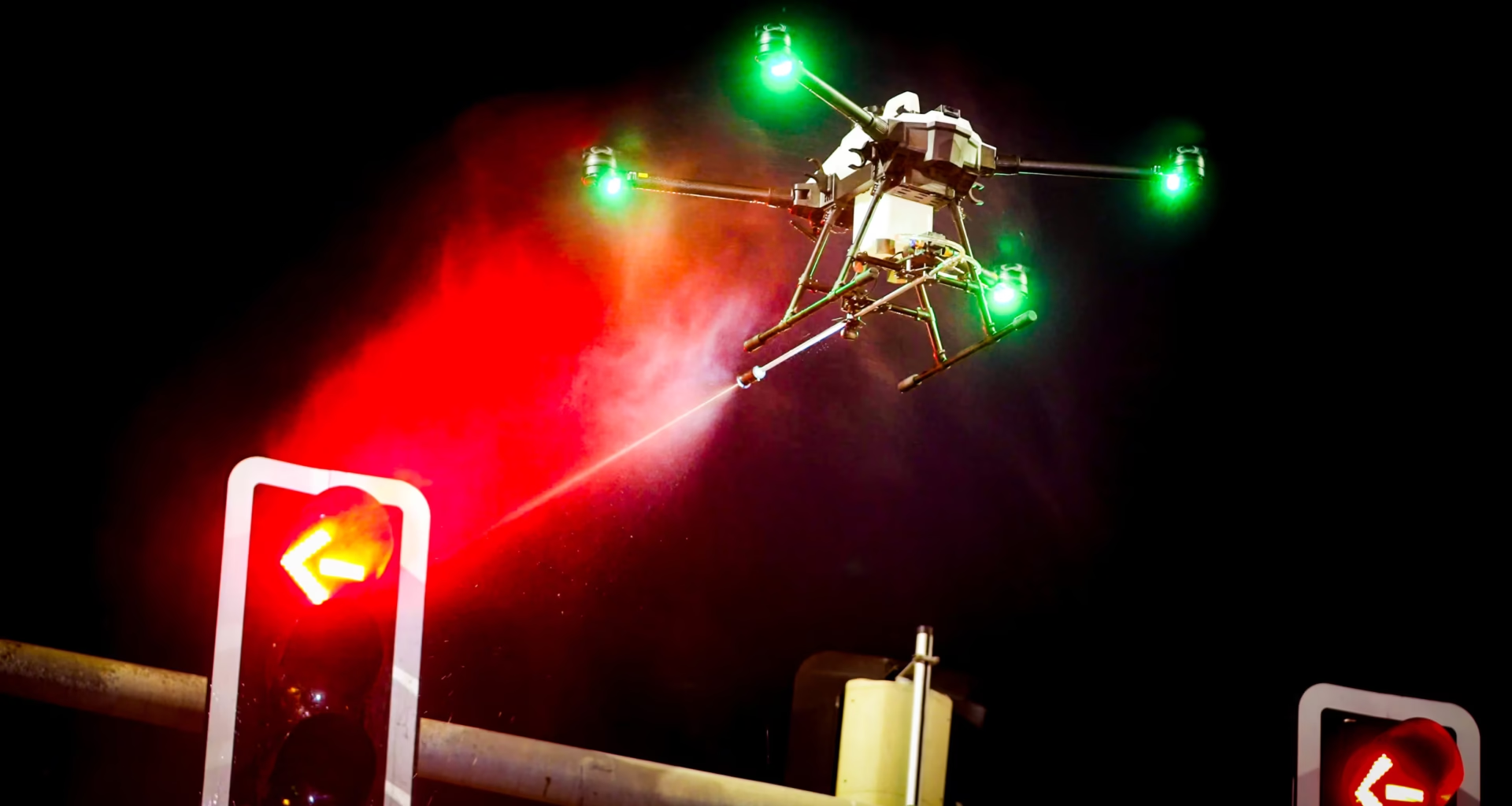
Dubai RTA Drone Pilot Marks a New Step in Smart City Innovation
Dubai continues to set global benchmarks in smart infrastructure as the Dubai RTA drone pilot is launched to clean traffic signals across the city. This forward-thinking initiative highlights how advanced technology can be used to improve road safety, reduce operational risks, and enhance efficiency in urban maintenance.
As reported by Khaleej Times, the Roads and Transport Authority (RTA) has introduced this pilot project as part of Dubai’s wider smart mobility and sustainability strategy, reinforcing the emirate’s reputation as a leader in adopting cutting-edge solutions for public services.
Why Traffic Signal Cleaning Matters
Traffic signals play a critical role in road safety, but over time they accumulate dust, sand, and pollution—especially in the UAE’s desert climate. Dirty signals can reduce visibility, particularly at night or during foggy conditions.
Key challenges with traditional cleaning methods include:
-
Workers operating at height, increasing safety risks
-
Temporary lane closures disrupting traffic flow
-
High manpower and equipment costs
-
Longer maintenance cycles
The Dubai RTA drone pilot aims to address these challenges by offering a safer, faster, and more efficient alternative.
How the Dubai RTA Drone Pilot Works
The drone-based system has been designed specifically for urban infrastructure maintenance.
Key features of the pilot include:
-
Drones equipped with precision cleaning tools
-
Remote-controlled operations monitored by trained teams
-
Ability to clean traffic signals without road closures
-
Reduced need for manual labor at height
By using drones, RTA can clean signals more frequently and efficiently, ensuring optimal visibility for drivers at all times.
You can learn more about Dubai RTA’s smart initiatives on the official website: https://www.rta.ae .
Safety Benefits of Drone-Based Cleaning
One of the most significant advantages of the Dubai RTA drone pilot is enhanced worker safety.
Safety improvements include:
-
Eliminating the need for workers to climb poles or use elevated platforms
-
Reducing exposure to live traffic
-
Minimizing accident risks during maintenance
-
Allowing operations during off-peak hours
This shift reflects Dubai’s broader commitment to workplace safety and innovation-driven risk reduction.
Efficiency and Cost Savings
Beyond safety, drones also deliver operational benefits.
Expected efficiency gains include:
-
Faster cleaning cycles compared to traditional methods
-
Lower long-term maintenance costs
-
Reduced equipment and manpower requirements
-
Improved scheduling and response times
Over time, these efficiencies could translate into significant cost savings for city operations while maintaining high service standards.
Supporting Dubai’s Smart City Vision
The Dubai RTA drone pilot aligns closely with Dubai’s smart city and digital transformation goals.
This initiative supports:
-
Automation of public services
-
Integration of AI and robotics into infrastructure management
-
Sustainable use of resources
-
Enhanced quality of life for residents and visitors
Dubai has consistently invested in smart technologies across transport, governance, and urban services, making such drone-based solutions a natural progression.
More about Dubai’s smart city vision can be explored at https://www.dubai.ae
Environmental and Traffic Impact
Traditional traffic signal maintenance often requires vehicles, cranes, and equipment that contribute to congestion and emissions.
Drone-based cleaning helps by:
-
Reducing vehicle usage for maintenance
-
Avoiding traffic diversions and congestion
-
Lowering fuel consumption and emissions
-
Supporting environmentally conscious urban operations
This aligns with Dubai’s sustainability goals and efforts to reduce its carbon footprint.
Potential Expansion of Drone Technology in RTA Operations
While the current focus is on traffic signal cleaning, the success of the Dubai RTA drone pilot could pave the way for broader applications.
Possible future uses include:
-
Inspecting bridges and road infrastructure
-
Monitoring traffic conditions
-
Supporting emergency response operations
-
Conducting routine visual inspections
If proven effective, drones could become a standard tool in Dubai’s transport maintenance ecosystem.
Public and Industry Response
The pilot has generated interest among technology experts, urban planners, and residents alike.
Why the initiative stands out:
-
Demonstrates practical use of drones beyond surveillance
-
Shows real-world benefits of smart mobility
-
Reinforces Dubai’s image as a future-ready city
-
Encourages innovation across public-sector services
Such initiatives also inspire other cities to explore similar solutions.
Conclusion
The launch of the Dubai RTA drone pilot to clean traffic signals is another example of how technology can solve everyday urban challenges in smarter, safer ways. By improving safety, efficiency, and sustainability, this initiative strengthens Dubai’s position as a global leader in smart city innovation.
As the pilot progresses, it may redefine how cities worldwide approach infrastructure maintenance—proving that even routine tasks can benefit from advanced technology when innovation leads the way.
